
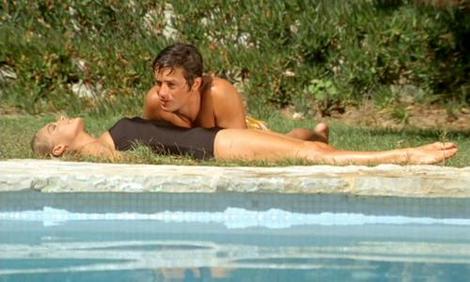
So maybe she was a little different, ok.
Maybe she did live an unusual life, all right.
Alain Delon was beautiful. Back then.
Then he went Bardot. A pity.
So maybe she thought a bit too much.
Romy Schneider? Gorgeous.
She’d love to have a swimming pool.
Crystal blue. Shrubs and greenery seaming the stone.
Hot, hot days.
White cushions to sink into.
Drinking longdrinks, ice clinking, stumbling about.
Without all that mess in the end.
‘Intellectual’ was a silly word.
She took the time to think one thought through to the end
before starting with another.
It started in Paris, as these things start. Then there was India, then a long stint in New York. Finally, London where one could find India just a few streets away.
How many of them wished they were young again?
Young and beautiful and daring
without all those crazy mistakes they made?
How many wanted none of that, and were actually that thing that was so rare: How many were happy, content, blissfully self-aware?
*
Alone in her room, naked except for an old bathrobe, Marla continued smoking her cigarette. She rarely smoked, but right now she felt like one. Windows open, the night black, lights speckling the emptiness. The bathrobe was a cheap piece from a corner shop in Camden, cream with black borders. A violently red and purple dragon with golden fangs and talons on the back. The black sash kept everything from falling wide open.
Behind her, La Piscine, The Swimming Pool, flickering across the screen. She carried the whole thing up there just recently, plugged in all the cables, figured out all the channels, and found a way to get that French one as well. No advertisements, just movies, short and long, documentaries, reports, news, interviews, exactly what a girl wanted.
Delon smoldered on the screen.
Schneider beamed back, cheekily.
They were beautiful. Back then. What a pity.
Age should not happen to people.
It softened something, in the muscles, in the brain.
And then you started saying very stupid things
with absolute conviction.
But he was that. Then. So was she, but she… that was sad. A real pity.
And the cute girl with the cropped hair, sun-kissed skin and the blotched bright dress, pouting. As she would, if he ran off like that. What happened to her? Was she ever seen, filmed, screened again?
Marla turned away, she knew the rest.
Standing at the open window, she drank from her cup of tea.
The chill breeze slipped icily over her skin. She didn’t move though. She didn’t readjust the belt, everything was slipping, but she was safe from curious eyes. All around were only rooftops and chimneys.
It was quiet enough to hear that low throb of the pub downstairs.
If she thought about it long enough, it was as if the music was rising up through her toes, up past her calves and thighs, all the way into her.
He had taught her not only to listen, but to feel.
How old was she, five? Seven? Somewhere there.
Sitting cross legged in front of the record player, having him hold her on his lap, telling her who the singer was, where they were playing, showing her the sleeves. She understood nothing, but she felt it, the music, rising up from the floor through her toes and soles, up her legs all the way into her, until it wrapped itself around her heart and filled the beat, until she felt it way down to what she knew was her core.
Singing to the music was a part of it after that. Humming, tapping, clapping, remembering the lyrics when it caught that cord in her soul.
That was them, then. Alicia and Ric, Ma and Pa.
The music, the laughter, the crazy friends.
Those late nights where Marla would wake up and hear the bongos and guitars downstairs, the singing and laughter. Always the laughter, real, genuine, from the heart.
And she would creep down with Jackson and Sadie, and see their mother and father dance and sing, and play their instruments with their friends, drinking straight out of wine bottles and finishing a whole bottle of whisky, sometimes even climbing onto the table top. Or when Bella, Dr. Garcia’s Andalusian wife, would dance a flamenco that was breathtaking.
Bella showed them how to make paella, her mother was from the north east, near Bilbao. She said it wasn’t right if you weren’t close to the sea. Marla still made it at family dinners.

It was a Brandon tradition to eat dinner together, all five of them, Alicia, Ric, Jackson, Sadie and herself, mother, father, and three kids. Dinners were always loud, boisterous. Arguments, laughter, more arguments. Plates, bowls and drinks, salt, pepper, chutney and masala passed around without actually breaking the conversation.
Her new housemates were quiet eaters.
If they did eat together, which was rare.
If they did eat together, then it was done quickly, as if eating was a nuisance to get over with.
Marla loved long dinners. She watched, amazed.
The hasty cooking, the impatient sitting down and getting up, the rush to rinse dishes and stack everything into the dish washer. If anything was said, then it had to do with plans for the pub, some new acquaintance Sunny had made the previous night or what was happening in her circle of friends.
Caden seemed to have no private life.
At least he never mentioned one.
He seemed only to exist to see that the pub did good business, that the supplies were well-stocked, and that the bands signed up in time and had enough equipment.
The tea was still warm, almost hot, nicely smooth and sweet.
The cup warmed her hand, the cigarette glowing in the dark, red.
He wasn’t rude, nor in fact quiet.
He was simply very sparse with his words.
Attentive though. And observant.
You had to be, to keep a pub running without fights breaking out.
That bloke who thought someone had looked at his girl wrong.
Those two who thought Sunny was fair game.
Caden just needed to ask the person if he could help him on and all was settled again.
It didn’t happen often though. O’Connor’s was a place where friends came to have a pint, play a game of darts or pool. Every now and then old rivalries would break through, yes, but if Sunny couldn’t break it up, Caden would.
He really didn’t do anything.
He was just there.
It was that look.
Hard to describe really.
And then there was Sunny. They were so different in temperament and character. Marla was surprised that they managed to live in the same house for so long.
She knew bits and pieces now.
What was now the office used to be Adam O’Connor’s room, the man who took over the derelict pub many years back, at least twenty from what Marla understood. Caden’s last name was Tellis though, so he could hardly be Adam’s son. Sunny was Adam’s niece, she moved in with Adam in her early teens. There was more to that, but she couldn’t ask yet. In a few weeks, maybe.
Adam passed away a few years back, four or five, Marla couldn’t say.
They missed him, both in their own way. Sunny with comments that started with, ‘Adam used to say’, Caden by never mentioning him unless Sunny made him, and then only very little. They must have been close though. Caden rightfully owned O’Connor’s and the whole house with it.
How did that happen?
She would have to wait.
A few months maybe.
Marla drew on her cigarette, exhaled.
Her fingers were still stained from the Henna.
Diwali was just a week away.
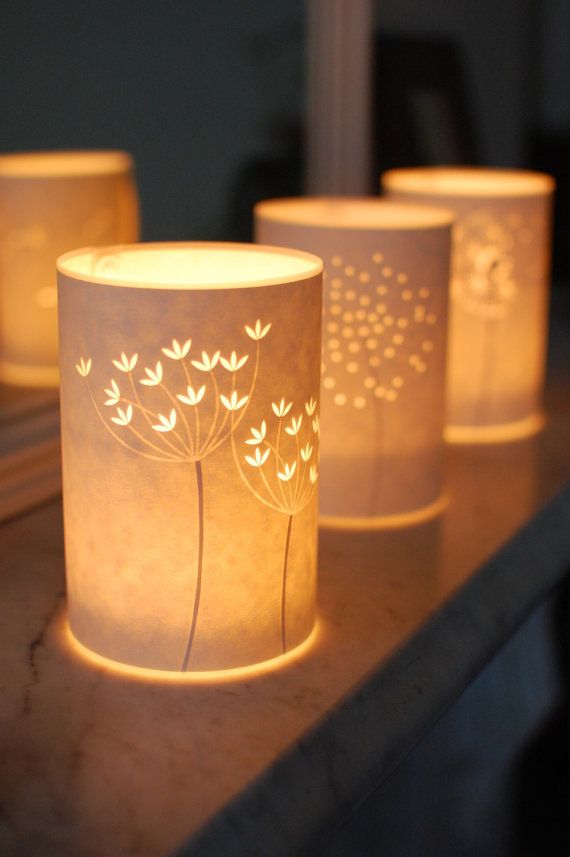
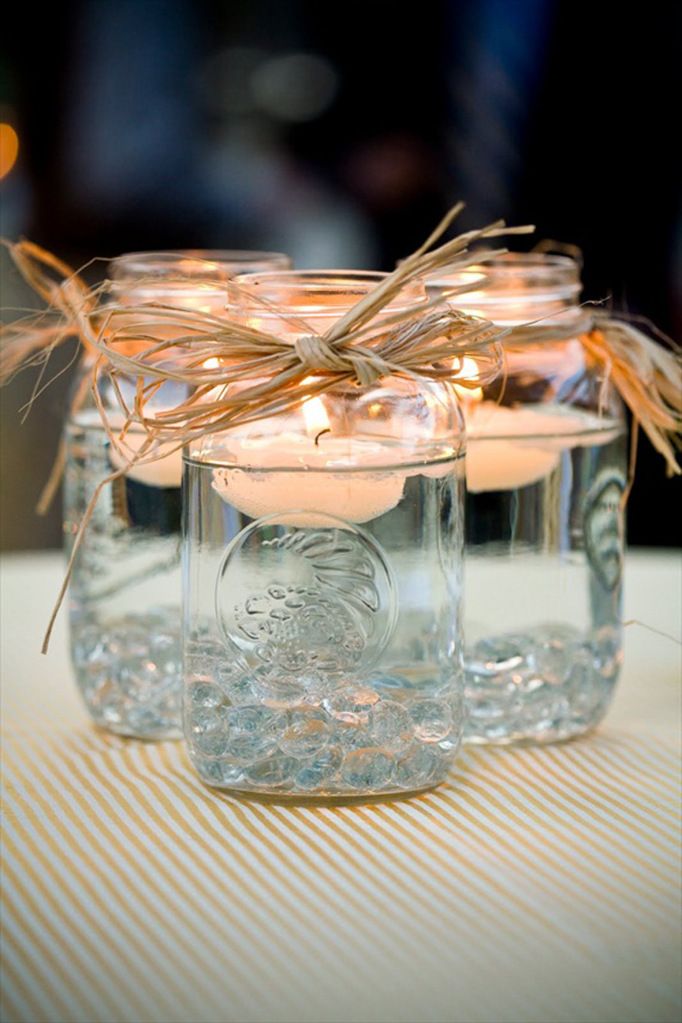
Sunny walked into the kitchen and asked Marla about the lamps. Marla explained about the fight of good and evil, the victory of the light within. Sunny was surprised. A bit amused. She asked if she was into religion, a bit as if Marla had a limp. Marla made tea and asked Sunny if she wanted a cup. They sat down at the scrubbed-wood table, and Marla explained her years in India, seven in total, rain seasons in Mumbai, and summers in Madras with family friends.
Lighting the candles.
Standing on the veranda,
hearing the insects, seeing the night.
The ocean, wide.
Stars out in billions.
Life.
 They had a long talk about what it meant to have a faith, if it made sense to have one and what Sunny believed in – ‘I mean, I guess there’s something, but I really wouldn’t know what it is, y’know?’ – and how it had been to go to confession when she felt she had nothing to confess. It was the first serious talk they had. It left Marla with the feeling that despite her happy, chatty ways, Sunny did have a few deeper thoughts in her head.
Caden said nothing to the lamps, the candles, nor the mehndi Marla painted on Sunny’s hands. Sunny really liked them, ‘It’s like a tattoo but it isn’t? That’s totally cool!’
That afternoon was filled with stories about make-up, fashion and boys. A lot about boys. Mostly about boys actually, and what utter idiots they were. And how cute. And how stupid. And how sweet. And how thick. And how lovely. And how utterly useless, really there was no point in them anyway. But whatever-his-name was really hot, drool-worthy, awesome.
Marla smiled. Sunny was twenty after all.
Marla had mellowed to live and let live, but Sunny still made radical stands.
Twenty.
That was almost ten years ago. A decade. A whole decade.
She was thinking in decades now.
Like when she said ‘last time’ and realised it was actually three years ago.
And ‘yesterday’ had turned into last year.
© 2014 threegoodwords
 three good words